Tips for reducing your home electricity bills, plus what we as citizens need to do to make the UK more energy self-sufficient and tackle climate change.
In your own home
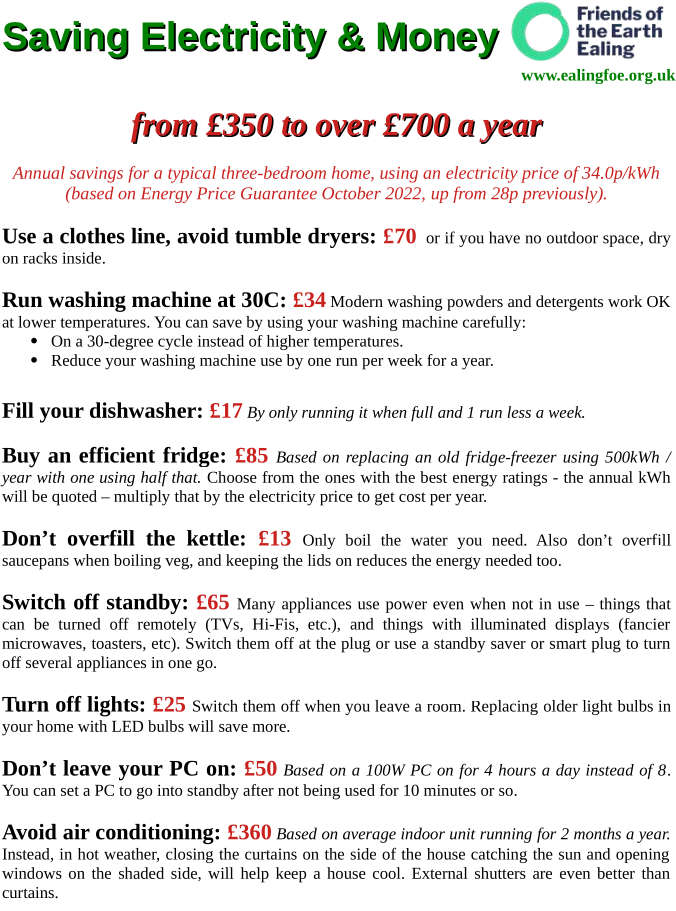
Below we list suggestions for reducing electricity usage that can save from £350 to over £700 a year, for a typical three-bedroom home, based on an electricity price of 34.0p/kWh.
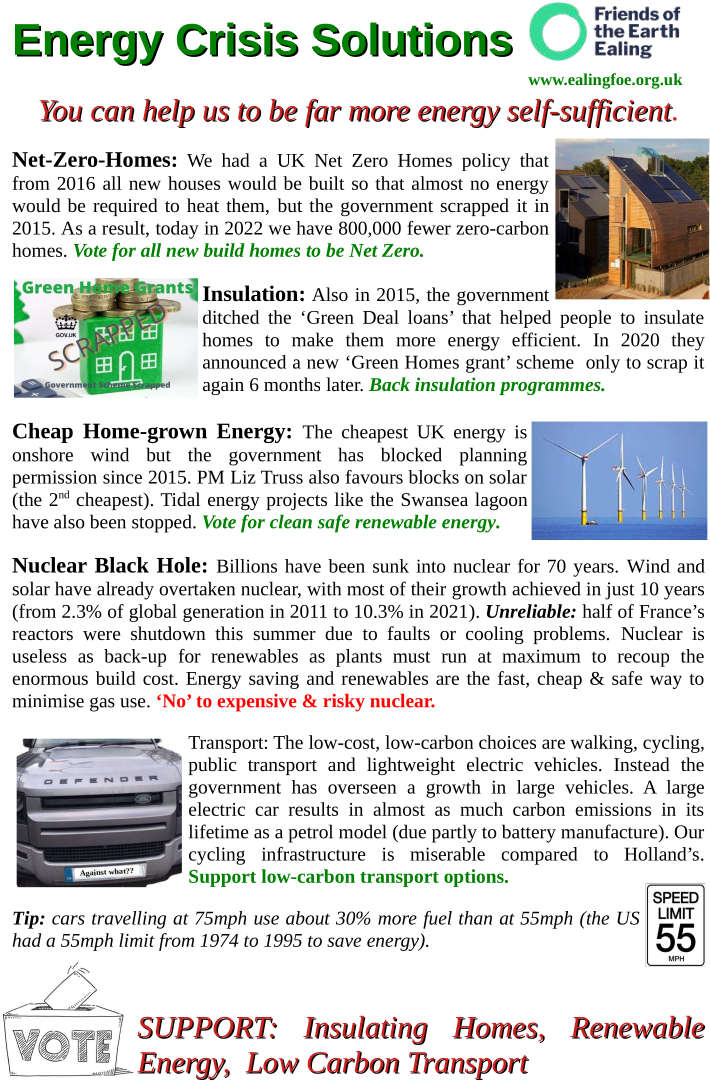
We can only do so much in our own homes. To get a long-term solution to the energy crisis, we need government action. The same is true of tackling the climate emergency. The good thing is that the same set of solutions will tackle both issues.
Had governments listened to the scientists 30 years ago we would already have warm homes that consumed minimal power and be benefitting from extensive deployment of renewable energy, which would have protected us from the recent energy price increases.
As citizens we have the power to influence government policy through our vote, by contacting our political representatives, and by campaigning. Some of the areas on which we need to press for action are listed below. For more information see also Friends of the Earth’s Take Climate Action website.
Buy green energy
As well as pressing for government action, you can also directly support the shift to green energy. Here are some of the ways you can do that:
1) Switch Energy Supplier
The simplest is to switch the energy supplier you use for your home or business to one of the green suppliers recommended by Friends of the Earth: Ecotricity or Good Energy. Note that many major suppliers offer a green tariff but switching to it may not actually generate new investment in renewable energy because they simply assign a bit of the green generation they already have to you, and assign their fossil-fuel generated electricity to customers not on green tariffs. By contrast, Ecotricity invest their profits in building only new renewables.
Please note that Green tariffs and the companies named above are not usually the cheapest, so this might not be for you if you are on a tight budget.
Both companies have a scheme whereby they make a donation to Friends of the Earth when you switch. If you’d like to do that, please use the button below to go the national Friends of the Earth and find out more.
You can generate some of your own electricity by isntalling solar panels on your house roof. To be suitable it needs to be unshaded and facing somewhere between East, South or West, but not North.
There are many suppliers. You will get a better price if you join a bulk buy scheme. Such schemes are run from time to time by Councils. The London scheme is called Solar Together London.Ealing Council also have information about the scheme on their website here.
3) Invest in an Energy Cooperative
If you have some savings, you could also invest in an energy cooperative and actually own part of a wind farm or solar farm. An umbrella organisation that looks after several such co-ops is Energy4All. One of their co-ops puts solar panels onto schools including several schools in Ealing – you can find out more about Ealing’s solar schools on the Ealing Transition website.
Note however that investments in energy co-ops are long term (typically 20 years), unsecured, and it’s not easy to withdraw money early.
Eco Houses
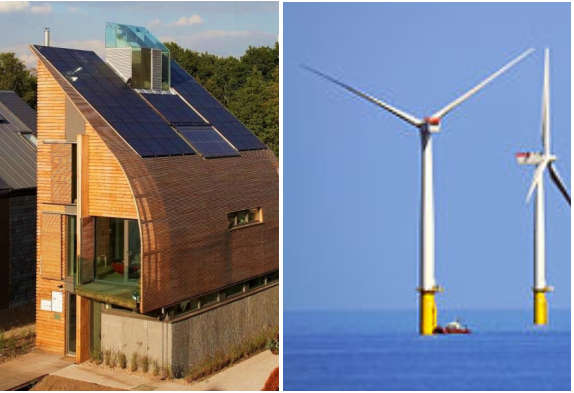
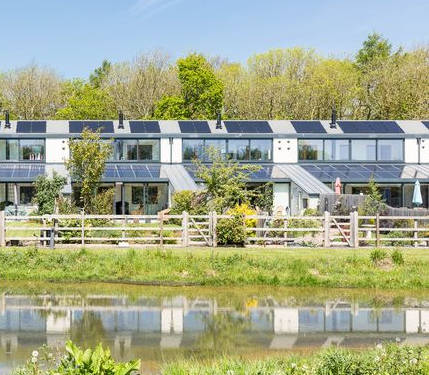
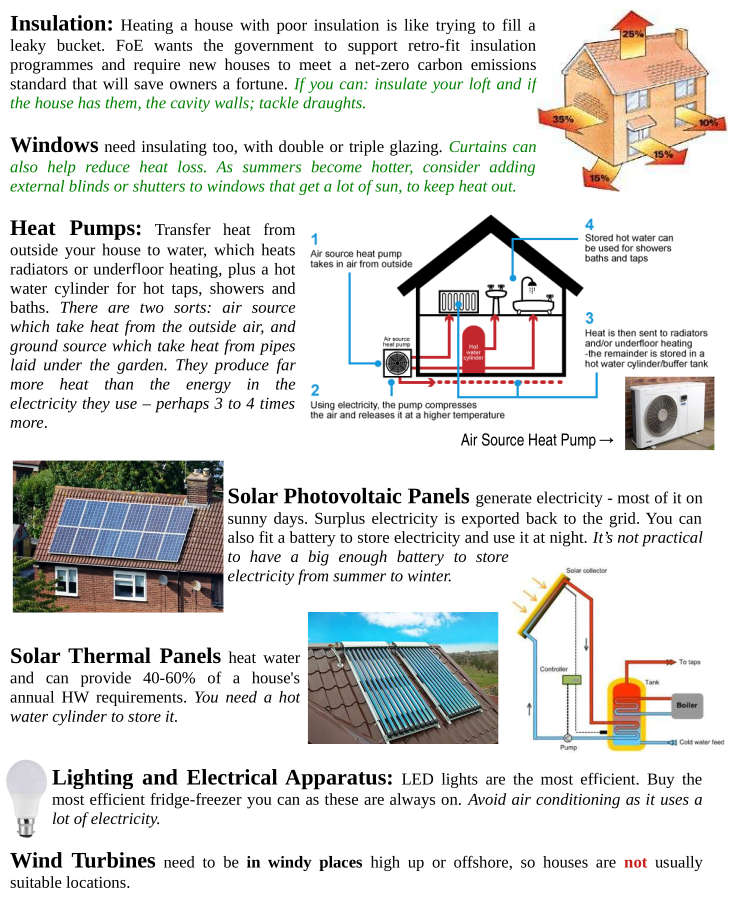
Houses can be almost energy independent. Below we summarise some of the energy technologies that save or generate energy. We will have to retro-fit existing houses. It is simpler and cheaper to include all these features when a house is built so we need the government to make this a requirement for all new-builds.